
Tag: Civics
-
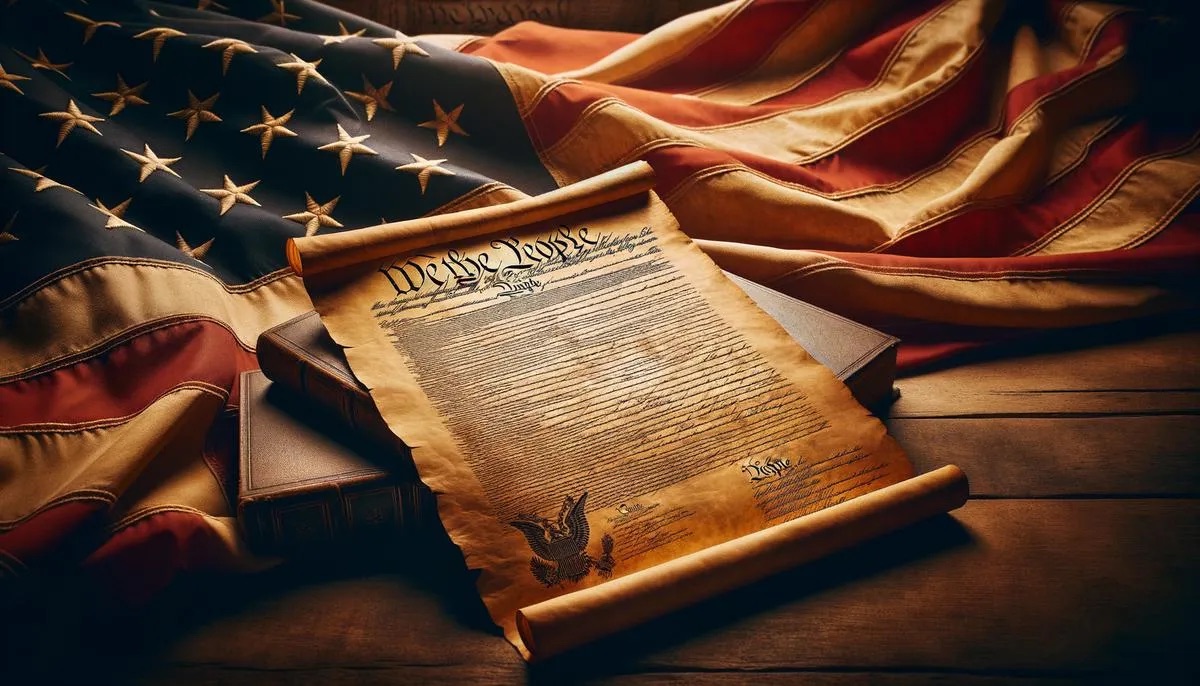
The founders on sovereignty. “I say supreme absolute power is originally and ultimately in the people.” In Rights of the British Colonists Asserted and Proved, James Otis Jr. was describing “sovereignty.” Sovereignty simply means final and absolute authority. Therefore, those who have it are not subject to any outside authority on Earth. This isn’t academic…
-
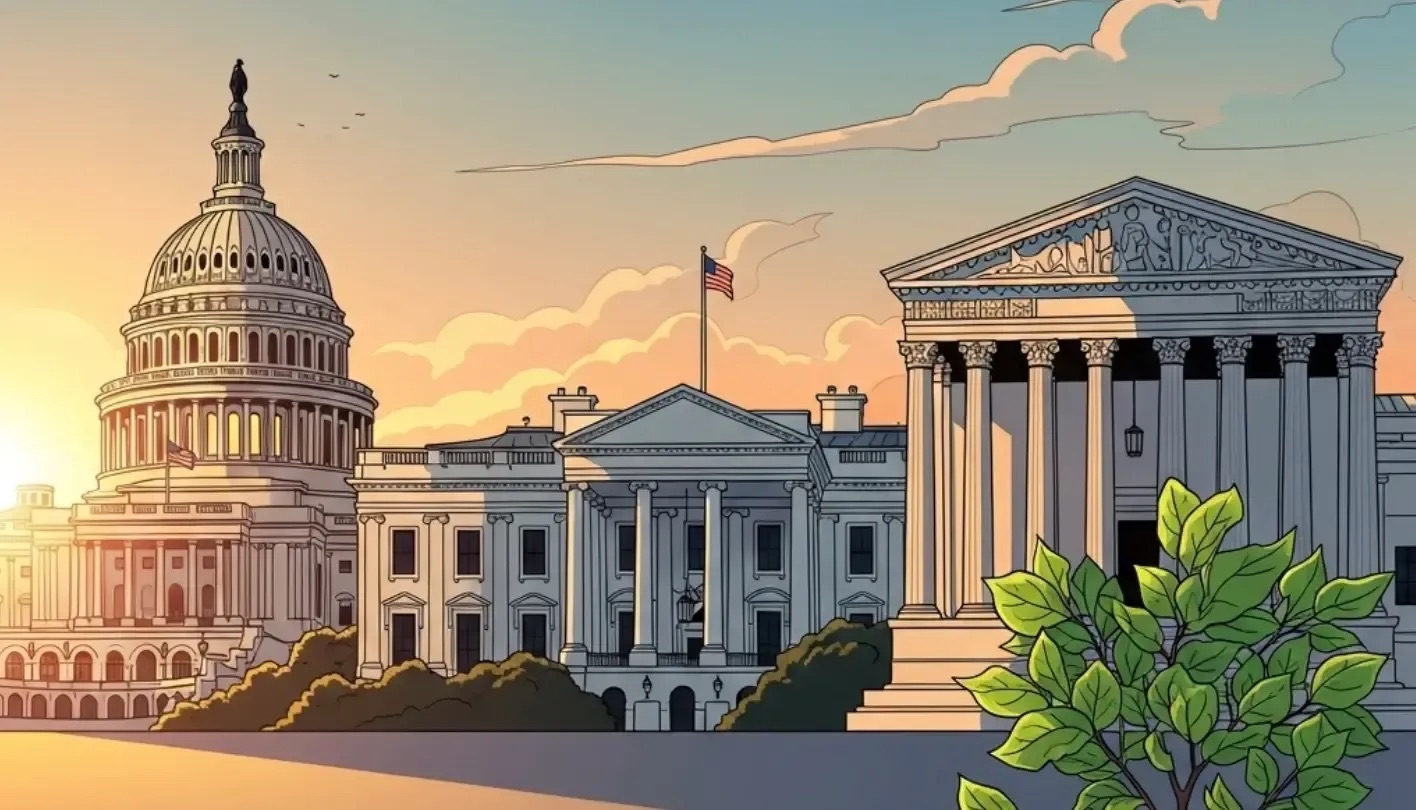
Before rights can be exercised, they must be understood. Civic education is the infrastructure of self-government. The Quiet Erosion of Constitutional Competence Constitutional republics rarely collapse through dramatic upheaval. Instead, they deteriorate gradually—through the slow erosion of public understanding, institutional memory, and civic competence. When citizens lose track of how their government functions, who holds…
-
Our government… teaches the whole people by its example. If the government becomes the lawbreaker, it breeds contempt for law; it invites every man to become a law unto himself; it invites anarchy. Louis D. Brandeis Political discourse in America typically follows familiar patterns: partisan arguments that reduce governance to team sports, emotional appeals that…
-
The government will one day be corrupt and filled with liars and the people will flock to the one who tells the truth. Thomas Jefferson Most Americans understand that Congress makes laws. What they don’t see is the vast machinery that transforms those laws into daily reality through a process called rulemaking—the quiet factory where…
-

The driving force behind most pro se litigation is straightforward: cost. Legal representation has become prohibitively expensive for middle-class Americans pursuing legitimate claims.
You must be logged in to post a comment.