
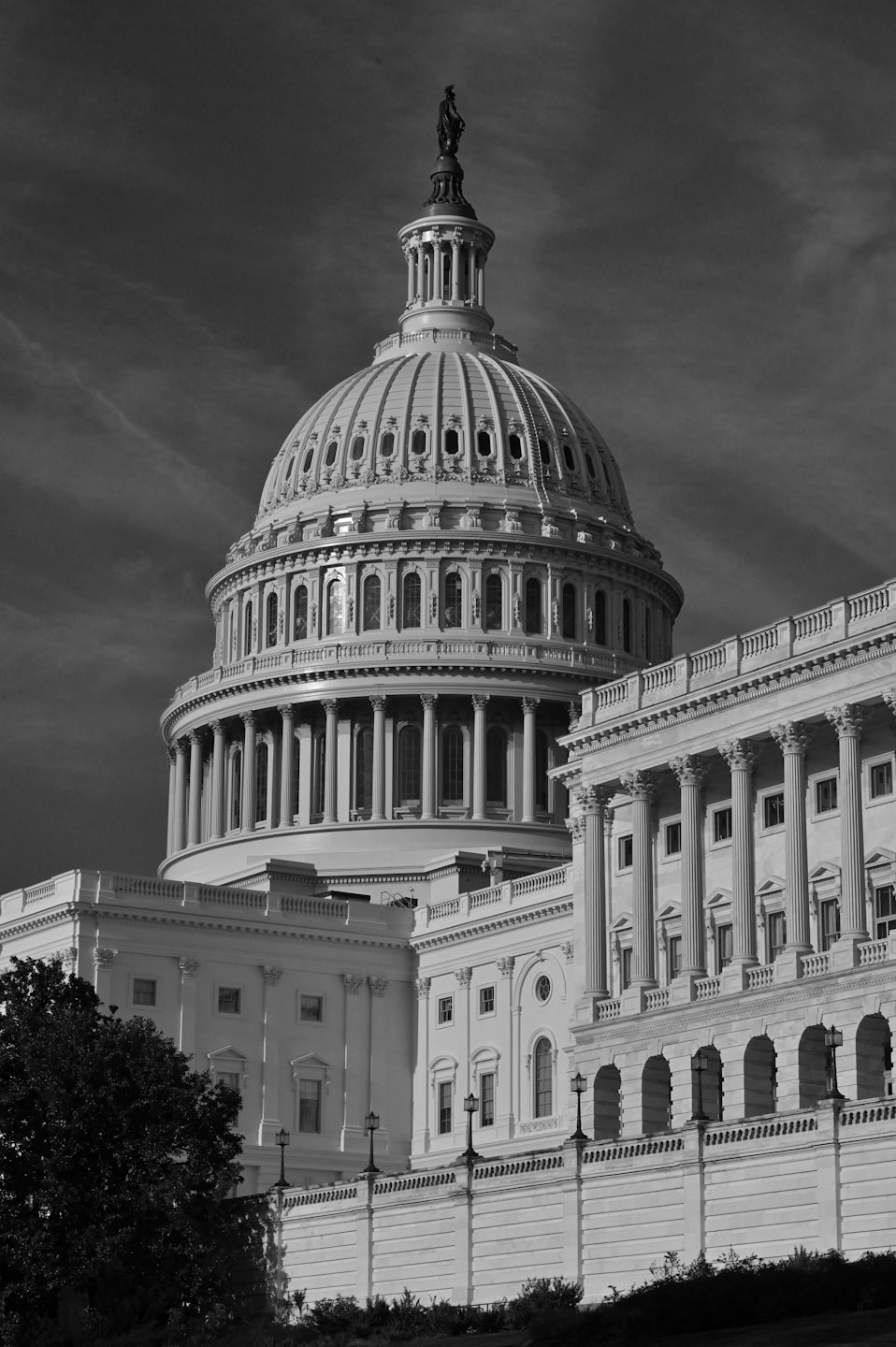
The American system of government is built on structure, not personality.
It does not depend on who is in office. It depends on how power is distributed, limited, and checked.
At least, that is how it was designed.
Understanding government starts with understanding structure—who holds authority, where that authority comes from, and how it is supposed to be controlled.
Without that, everything else looks random.
With it, patterns start to appear.
The Core Design
The structure of American government is built on two primary ideas:
- Separation of Powers
- Federalism
These are not abstract concepts. They are the operating framework.
They exist for one reason:
To prevent the concentration of power.

Separation of Powers-Divided Authority
The federal government is divided into three branches.
Each branch has a defined role. Each branch has limits. Each branch is supposed to act as a check on the others.
Congress is responsible for creating laws.
It is made up of two chambers:
- House of Representatives
- Senate
Its powers include:
- Writing and passing legislation
- Controlling federal spending
- Declaring war
- Overseeing executive agencies
Congress is closest to the people by design. It is supposed to reflect public will.
But it also holds one of the most important powers in the system:
The power to create law.
The Executive Branch enforces the law.
At the top is the President.
Below that is a large network of departments and agencies.
Its responsibilities include:
- Enforcing laws passed by Congress
- Conducting foreign policy
- Commanding the military
- Managing federal agencies
This is where scale enters the system.
Because enforcement requires infrastructure.
And infrastructure grows.
The Judicial Branch interprets the law.
At the top is the Supreme Court, supported by lower federal courts.
Its role includes:
- Interpreting the Constitution
- Reviewing laws and executive actions
- Resolving disputes between parties and governments
The courts do not create law in the same way Congress does.
But interpretation carries power.
Because the meaning of law determines how it is applied.