Introduction
Over the past decade, American law enforcement has quietly assembled one of the most extensive surveillance networks in democratic history. Through automated license plate readers, gunshot detection systems, and predictive policing algorithms, police departments have created infrastructure capable of tracking millions of citizens without warrants, judicial oversight, or meaningful public debate.

This examination documents how these technologies operate, who controls them, and what they actually accomplish. Drawing from government audits, court filings, and public records obtained through Freedom of Information Act requests, the evidence reveals a pattern of systems that promise precision but deliver mass surveillance, that claim effectiveness while producing minimal results, and that operate with little accountability despite consuming millions in taxpayer funds.
The License Plate Panopticon
How ALPR Networks Function
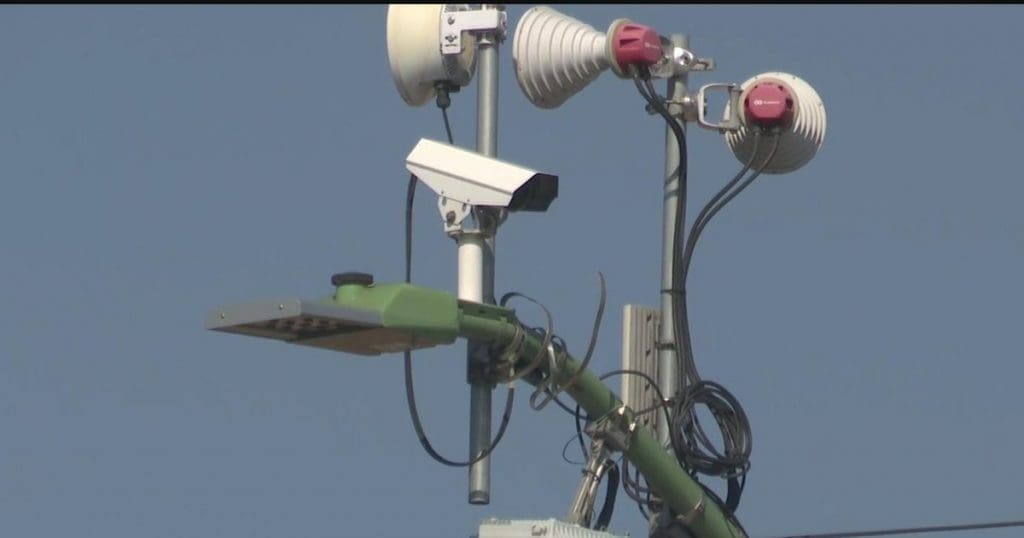
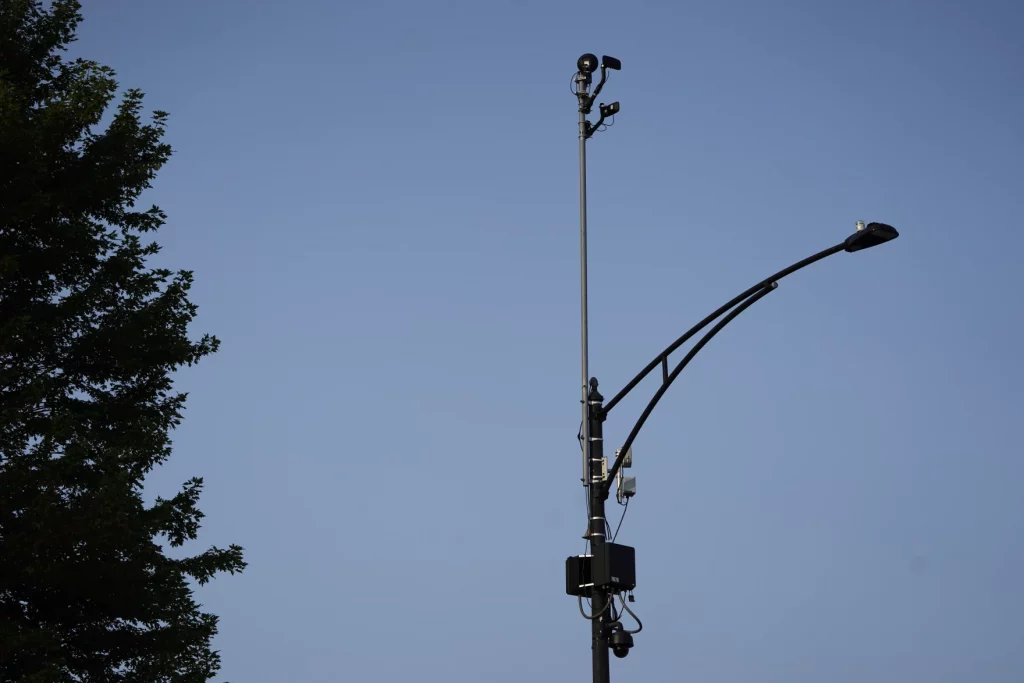
Automated License Plate Reader (ALPR) systems capture images of every vehicle passing fixed cameras or mobile units, recording license plates along with time, location, and vehicle characteristics. Companies like Flock Safety and Vigilant Solutions have transformed these local tools into nationwide tracking networks through data-sharing agreements with thousands of law enforcement agencies.
The scale is staggering. By 2025, Flock Safety operates cameras feeding a database accessible to over 7,000 agencies nationwide. The company's business model encourages maximum participation: agencies that share their plate reads gain access to the entire network's data. This creates a "you show me yours, I'll show you mine" dynamic that has effectively privatized interstate surveillance coordination.
The Massachusetts Revelation
Public records obtained by the ACLU of Massachusetts in 2025 exposed the breadth of this network. Over 40 Massachusetts police departments contracted with Flock Safety, automatically feeding location data into the company's cloud database. By default, this data became searchable by any agency in Flock's network.
The records revealed officers from Florida, Texas, and Ohio conducting hundreds of thousands of searches on Massachusetts drivers' plates—all without warrants or individualized suspicion. More concerning, federal agencies gained access through local police portals. Border Patrol and ICE agents were caught querying the Flock system, circumventing state laws designed to protect immigrants and others from federal enforcement actions.
Massachusetts had passed a "Shield Law" after the overturning of Roe v. Wade, intended to prevent state resources from assisting out-of-state abortion investigations. The ALPR network rendered such protections meaningless. A person seeking reproductive healthcare could be tracked from their home state to Massachusetts and back again, with their movements logged in a corporate database accessible to law enforcement nationwide.
The Vigilant Alternative
Flock Safety isn't alone. Vigilant Solutions operates a competing network that, by 2018, provided ICE with access to over 5 billion plate scans through a $6.1 million contract. Internal ICE documents obtained through FOIA litigation revealed that over 9,000 immigration agents could query this database, which included both commercial data (from toll roads and parking lots) and law enforcement contributions.
The documents showed ICE circumventing local sanctuary policies by accessing Vigilant's database directly or through fusion centers. In one case, a California police detective embedded in a fusion center acted as a conduit, running plates for ICE despite explicit orders from his police chief not to share data with federal immigration authorities.
Constitutional Questions
This nationwide plate tracking raises significant Fourth Amendment questions. The Supreme Court's 2018 decision in Carpenter v. United States suggested that tracking someone's location over time constitutes a search requiring a warrant. Yet ALPR networks routinely track vehicles across state lines without judicial oversight.
Senator Ron Wyden's 2025 investigation found that 75% of Flock's law enforcement clients opt into the "National Lookup" feature, creating a de facto national vehicle tracking system operated by a private company. Wyden warned that "abuse of Flock data is almost certain" given the lack of oversight and the company's hands-off approach to monitoring usage.
The False Promise of Gunshot Detection
ShotSpotter's Claims vs. Reality
ShotSpotter (now SoundThinking) markets its acoustic sensors as precision tools for detecting gunfire. The company claims 97% accuracy and promises faster police response to shootings. By 2022, over 130 cities had deployed the system, often using federal COVID relief funds to cover the substantial costs.
The reality documented in government audits tells a different story. Chicago's Inspector General analyzed two years of ShotSpotter data covering 50,176 confirmed alerts that triggered police deployments. Only 9.1% resulted in evidence of actual gun-related crime. Over 90% of the time, officers rushed to scenes expecting gunfire and found nothing.
The numbers get worse under scrutiny. Only 2.1% of ShotSpotter deployments led to investigatory stops, meaning police rarely even found someone to question, let alone evidence of a crime. The system consumed massive police resources chasing false alarms while providing minimal investigative value.
Community Impact
ShotSpotter sensors are deployed almost exclusively in predominantly Black and Latino neighborhoods. In Chicago, the 12 districts with the highest concentrations of these cameras serve the city's most diverse communities. This geographic targeting means communities of color bear the brunt of false-alarm responses—aggressive police deployments based on algorithmic mistakes.
A class-action lawsuit filed in 2022 documented the human cost of these errors. Daniel Ortiz was stopped at gunpoint in a laundromat parking lot when Chicago police responded to a ShotSpotter alert. Officers frisked him, searched his car, and arrested him on false gun charges, claiming he had thrown a weapon. He spent a night in jail before charges were dropped at his first court appearance. The alert that triggered his traumatic encounter was completely unfounded.
Questionable Evidence
Courts have begun questioning ShotSpotter's reliability as evidence. In 2021, prosecutors withdrew ShotSpotter data from a Chicago murder case after defense attorneys raised questions about whether analysts had retroactively reclassified sounds to match police theories. This highlighted another problem: the system's output can be subjectively interpreted by company employees with financial incentives to support law enforcement narratives.
The Chicago Inspector General noted that ShotSpotter deployments appeared to change how officers perceived neighborhoods. Frequent alerts, even false ones, may have led police to view certain areas as more dangerous, potentially escalating encounters with residents.
The Algorithmic Crystal Ball
Predictive Policing's Promises
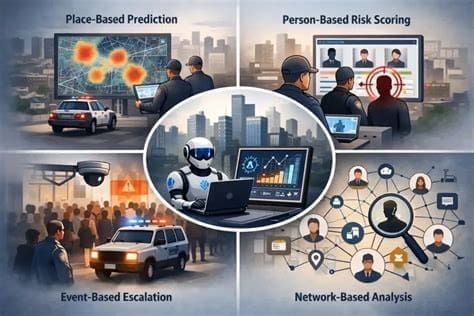
Companies like PredPol (now Geolitica) promised to revolutionize law enforcement by predicting where crimes would occur. Using historical crime data and earthquake prediction models, these algorithms generated maps showing areas where police should focus patrols. The appeal was obvious: mathematical precision applied to public safety.
By 2016, twenty of the nation's fifty largest police forces used predictive policing software. The algorithms consumed historical arrest and incident data, then highlighted geographic "hotspots" where future crimes were statistically likely. Police departments invested millions in these systems, often using federal grants to fund initial deployments.
The Training Manual
A 2018 Freedom of Information Act request by Lucy Parsons Labs revealed PredPol's internal training manual, exposing the philosophy embedded in the software. The manual explicitly endorsed "broken windows" policing, encouraging officers to "get in the box" (the colored prediction zones) and aggressively patrol for minor offenses.
This guidance transformed algorithmic predictions into patrol strategies that had been criticized for decades. The manual's language blurred the line between statistical forecasting and constitutional policing, encouraging officers to treat prediction zones as areas deserving heightened scrutiny rather than neutral patrol areas.
Real-World Results
Independent audits revealed that predictive policing rarely delivered on its promises. LAPD's Inspector General found that after eight years using PredPol, the department could not demonstrate any clear crime reduction attributable to the system. The audit noted poor metrics collection and an inability to correlate patrol "dosage" in prediction boxes with actual crime outcomes.
Similarly, the NYPD tested multiple predictive policing vendors between 2015 and 2016, then quietly abandoned all commercial products in favor of developing internal algorithms. This decision suggested that none of the tested systems provided sufficient value to justify continued investment.
International evidence supported these findings. Kent Police in the United Kingdom conducted a five-year PredPol pilot from 2013 to 2018. Despite acknowledging that the system had "a good record of predicting where crimes are likely to take place," officials concluded they could not demonstrate any reduction in crime as a result of using those predictions.
The Bias Problem
Predictive policing algorithms suffer from a fundamental flaw: they inherit and amplify historical biases in policing data. If police have historically over-arrested in certain neighborhoods, the algorithm will predict more crime there, justifying continued heavy policing and creating a feedback loop.
The LAPD audit acknowledged this concern, noting that Operation LASER (the department's person-based predictive program) was geographically skewed and disproportionately affected communities of color. After community pressure and the damaging Inspector General report, LAPD ended both LASER and PredPol in 2019 and 2020 respectively.
The Public-Private Partnership Problem
Corporate Incentives
These surveillance technologies exist within a complex web of public-private partnerships. Companies develop and market systems to police departments, often providing initial deployments at reduced costs to establish market presence. Once agencies adopt the technology and integrate it into operations, switching costs make it difficult to abandon ineffective systems.
Flock Safety exemplifies this model. The company markets directly to police chiefs and city councils, offering turnkey solutions that require minimal local technical expertise. Their subscription model creates recurring revenue streams while their data-sharing network creates lock-in effects—agencies that leave lose access to the broader database.
Federal Funding Flows
Federal grants often subsidize local surveillance technology purchases. Department of Justice and Department of Homeland Security grants have funded ALPR deployments, while COVID relief funds (ARPA) financed ShotSpotter expansions in 2021 and 2022. This federal funding allows local agencies to experiment with technologies they might not otherwise afford.
The grant structure creates perverse incentives. Agencies may adopt technologies to secure available funding rather than address identified public safety needs. Once deployed, the sunk costs and vendor relationships make it politically difficult to acknowledge that systems aren't working as promised.
Transparency Gaps
Contracts with surveillance technology vendors often include confidentiality clauses that limit public oversight. NYPD cited vendor trade secrets to resist Freedom of Information Law requests about predictive policing for over two years. Only sustained litigation forced disclosure of basic information about which systems the department had tested.
These secrecy provisions extend to performance data. ShotSpotter contracts often limit what agencies can publicly say about the system's effectiveness, making independent evaluation difficult. When negative findings emerge—like Chicago's Inspector General report—companies aggressively rebut criticisms to protect their business interests.
Patterns of Resistance and Reform
Community Pushback
Affected communities have led resistance to surveillance technology deployments. The Stop LAPD Spying Coalition pressured the Los Angeles Police Commission to audit predictive policing programs, leading to their eventual termination. Chicago activists demanded the Inspector General review ShotSpotter, producing evidence that has fueled ongoing debates about the system's value.
These community groups often lack resources to match corporate lobbying efforts, but they have achieved significant victories through strategic use of public records laws and coalition building with civil liberties organizations.
Legal Challenges
Courts are beginning to grapple with surveillance technology's constitutional implications. The MacArthur Justice Center's class action against ShotSpotter in Chicago argues that responding to known-unreliable alerts violates Fourth Amendment protections against unreasonable searches and seizures.
Federal legislators are also taking notice. Senator Wyden's investigation of Flock Safety represents the highest-level scrutiny these systems have received. His recommendation that communities reconsider using ALPR networks carries significant political weight.
Oversight Evolution
Some jurisdictions have implemented surveillance technology oversight ordinances requiring public approval before agencies deploy new systems. These laws mandate privacy impact assessments, public hearings, and regular audits of surveillance technology effectiveness.
Oakland, California, and other cities have banned predictive policing outright, citing civil rights concerns and lack of proven effectiveness. These bans represent a growing skepticism about algorithmic solutions to complex social problems.
The International Parallel
The United Kingdom's experience with predictive policing provides valuable context for American debates. Liberty, a UK civil liberties organization, documented through Freedom of Information requests that 14 English and Welsh police forces had experimented with predictive policing by 2018.
Kent Police's five-year PredPol pilot offered the most comprehensive test case. Despite the system accurately predicting crime locations, officials found no evidence of crime reduction. This outcome mirrored findings from Los Angeles, New York, and other U.S. cities, suggesting that issues with predictive policing are inherent to the technology rather than implementation-specific.
The UK experience also highlighted bias concerns. Durham Constabulary's HART system initially used postcodes as risk factors, potentially discriminating against residents of poorer neighborhoods. Following criticism, the force modified its approach, demonstrating how advocacy can influence algorithmic design.
Unresolved Questions
Effectiveness Measurement
Many fundamental questions about surveillance technology effectiveness remain unanswered. How do police departments internally justify continued investment in systems that independent audits find ineffective? Chicago renewed its ShotSpotter contract through 2024 despite the Inspector General's damaging findings, but the decision-making rationale remains opaque.
Similarly, what replaces these technologies when agencies abandon them? LAPD terminated both PredPol and Operation LASER but hasn't clearly articulated alternative approaches. Whether departments return to traditional policing methods, develop internal alternatives, or simply do without remains unclear.
Data Accuracy and Integrity
The accuracy of surveillance technology data requires additional scrutiny. ShotSpotter's 90% false-alert rate in Chicago raises questions about how often acoustic detection mistakes trigger improper police actions. Similarly, ALPR systems can misread plates or contain outdated information, potentially leading to wrongful stops or arrests.
Companies rarely disclose error rates or correction procedures. Independent audits could reveal whether agencies have adequate safeguards to prevent technology mistakes from harming civilians.
Long-term Community Impact
Research into surveillance technology's long-term effects on communities is limited. Do neighborhoods with dense ALPR or ShotSpotter coverage experience changes in resident behavior? Does visible surveillance infrastructure affect community trust in police or willingness to report crimes?
These questions require longitudinal studies that few agencies have conducted. The answers could inform debates about whether surveillance technology's community costs outweigh any public safety benefits.
Conclusion
American law enforcement's embrace of surveillance technology over the past decade represents one of the largest expansions of government monitoring capabilities in the nation's history. Yet this expansion occurred with minimal public debate, limited oversight, and questionable results.
The evidence from government audits, court records, and public documents reveals systems that routinely fail to deliver promised benefits while imposing significant costs on civil liberties and community trust. ALPR networks enable warrantless tracking on a national scale. ShotSpotter generates thousands of false alarms while solving few crimes. Predictive policing algorithms amplify historical biases without demonstrably improving public safety.
These technologies persist not because they work, but because of institutional momentum, vendor lobbying, and the appeal of technological solutions to complex social problems. Federal funding streams, contract secrecy, and resistance to oversight create environments where ineffective systems can operate for years without meaningful evaluation.
The growing skepticism from communities, civil liberties advocates, and some government oversight bodies suggests a potential turning point. Cities are beginning to demand evidence of effectiveness before investing in new surveillance technologies. Courts are questioning the constitutional implications of algorithmic policing. Legislators are examining the accountability gaps that allow these systems to operate in shadows.
The architecture of surveillance built over the past decade need not be permanent. But dismantling it will require sustained pressure from communities, continued investigation by journalists and advocates, and political courage from officials willing to prioritize civil liberties over technological promises. The evidence is clear: these systems surveille more than they protect.