
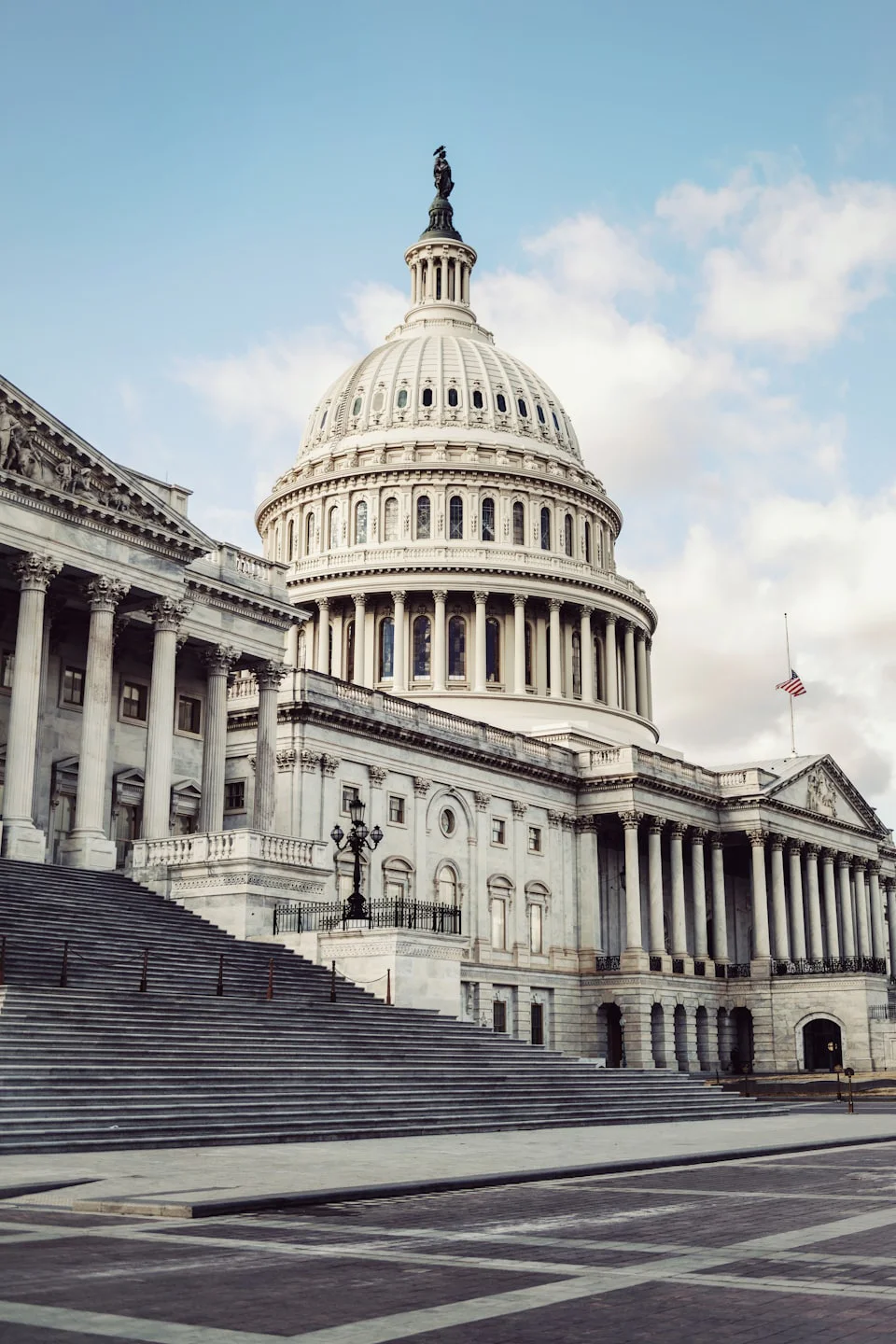
Discover the Foundations of American Civics
Dive into essential concepts that reveal how government, citizenship, and political behavior shape our nation.

Understanding Government Structure
Learn how the branches of government work together to uphold democratic principles and protect citizens’ rights.

Principles of Citizenship
Explore the rights and responsibilities that define active and informed participation in American society.

Engaging Political Behavior
Examine how civic engagement influences public policy and strengthens communities across the country.
Comprehensive Insight into American Civics
Explore critical facets of American government, citizenship, and political behavior through engaging, informative content designed to deepen your understanding.
1789
Founding Principles
An overview of the Constitution’s core values that shape American democracy and legal frameworks.
50
Civic Participation
Analyzing citizen engagement and the impact of voter turnout on democratic processes.
27
Government Structure
Examining the roles and responsibilities of federal, state, and local governments.
76
Constitutional Rights
Detailing key rights guaranteed by the Constitution that protect individual freedoms and equality.

Explore Key Concepts of American Civics
Dive into comprehensive information about government, citizenship, and political behavior tailored for engaged citizens.
Government Structure
Understand the framework and functions of federal, state, and local governments.
Citizenship Principles
Examine the rights, responsibilities, and roles that define active civic participation.
Political Behavior
Analyze how public opinion, voting, and policy shape American democracy.
What are the fundamental rights guaranteed by the U.S. Constitution?
Explore clear, concise answers to essential American Civics questions, designed to deepen your understanding of government, citizenship, and civic duties.
How does the system of checks and balances FUNCTION in the U.S. government?
It ensures that each branch—executive, legislative, and judicial—can limit the powers of the others to prevent any single branch from becoming too powerful.
What are the RESPONSIBILITIES of a U.S. citizen?
Citizens are expected to vote, obey laws, serve on juries, and participate in their communities to uphold democratic values.
How does federalism shape the relationship between state and federal governments?
Federalism divides powers between national and state governments, allowing each to govern effectively within their spheres.
What is the significance of the Bill of Rights?
The Bill of Rights protects individual freedoms such as speech, religion, and the right to a fair trial from government interference.
How can citizens engage in the political process beyond voting?
Citizens can participate by contacting representatives, joining advocacy groups, attending community meetings, and staying informed on public policy.
What role does the Constitution play in American civic life?
It serves as the foundational legal document that outlines government structure, individual rights, and the rule of law guiding society.
Begin Your Journey in American Civics Now
Discover how understanding government and citizenship empowers you to participate actively. Join us to deepen your knowledge and make informed civic choices today.

You must be logged in to post a comment.