

CIVIC PARTICIPATION
— The Lifeblood of Self-Government —
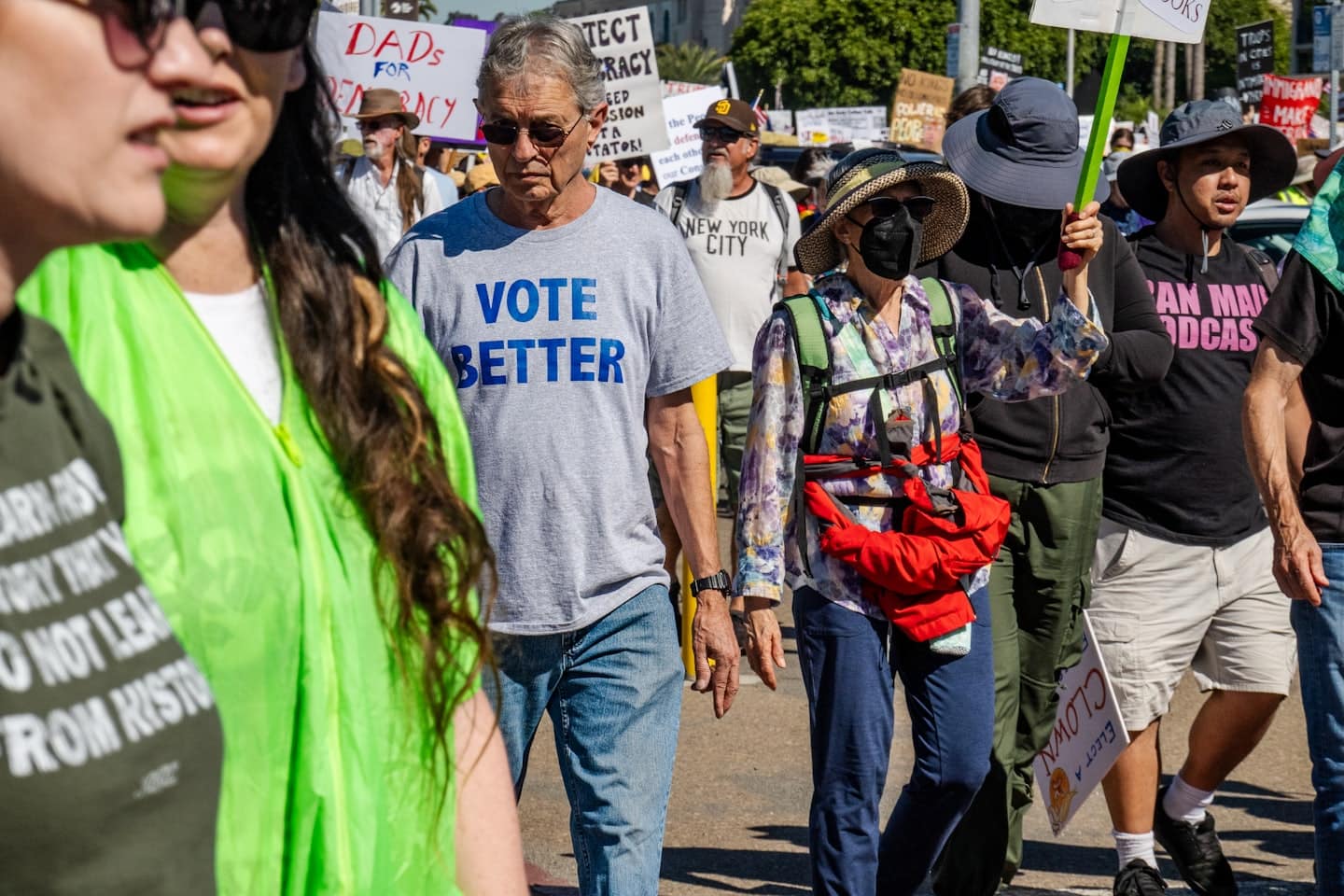
For most Americans, “civic participation” begins and ends with a single act: voting.
But the Founders envisioned something far deeper.
A republic is not self-operating—it requires the active vigilance of its citizens. Jefferson warned that the price of liberty is eternal vigilance; Adams wrote that the Constitution was made for a moral and engaged people. Without participation, the structure decays. Without understanding, participation loses meaning.
Civic participation is not a ceremony every four years.
It is the daily act of monitoring, questioning, communicating, and when necessary opposing government overreach.
This section explains how the system is engaged, not merely how it is designed.
WHAT CIVIC PARTICIPATION ACTUALLY IS
Civic participation is the continuous exercise of popular sovereignty—the means by which individuals interact with government and influence law, policy, and conduct.
It includes:
- Voting in elections
- Communicating with representatives
- Attending public meetings and hearings
- Participating in local governance and committees
- Submitting public comments on proposed regulations
- Holding institutions accountable through activism or lawful challenge
Participation isn’t permission granted from above.
It is the assertion of rightful authority from below.
Government loses its legitimacy when the governed cease to engage.
VOTING: THE MOST VISIBLE, LEAST UNDERSTOOD TOOL
Voting is the nation’s most symbolic act of consent.
It lets you:
- Select representatives
- Influence broad policy direction
- Remove unfit officials
But understand its limits. Voting is:
- Periodic, not continuous
- Indirect, filtered through party systems
- Dependent, often on choices predetermined by elites
Voting is necessary but not sufficient. Casting a ballot without further engagement is like lighting a fire but then walking away before it can warm the house.
Real participation begins after Election Day.
UNDERSTANDING HOW INFLUENCE WORKS
Power flows through process, not emotion.
To influence decisions, you must understand their routes:
Key variables:
- Timing – When is the decision made, and by whom?
- Process – Is it legislative, administrative, or judicial?
- Jurisdiction – Local, state, or federal authority?
- Authority – Which statute or rule governs the action?
Misplaced energy equals wasted effort.
Complaining to Congress about your zoning board—or to your city about federal monetary policy—changes nothing.
Targeted effort produces measurable impact.
BEYOND VOTING : WHERE REAL INFLUENCE HAPPENS
1. Direct Communication with Representatives
Elected officials respond to citizens who write intelligently, persistently, and personally.
Mass petitions may go unnoticed, but a coherent argument—grounded in fact and principle—often reaches their staff and shapes discussion.
Effective approaches:
- Concise, respectful messaging
- Follow-ups and documentation
- Collaboration with others who share the same goal
2. Local Government Involvement
Your city councils, school boards, zoning boards, and utility commissions affect your daily life directly. Decisions on taxation, policing, and education often occur without any public attendance.
That absence magnifies institutional power.
A handful of informed citizens can shape policy—because nearly no one else shows up.
At the local level, five voices can outweigh five hundred votes.
3. Public Comment and Rulemaking
Most major regulations include a public comment period, required by law.
Few participate—mostly corporate lobbyists and agency insiders. Yet this is where the fine print of law is forged.
Submitting a reasoned, cited comment can have real effect.
Regulators are required to address substantive public objections, and those comments shape judicial review.
4. Legal and Constitutional Action
Citizens also participate through lawful resistance—via litigation, amicus briefs, legislative petitions, and constitutional challenges.
From Marbury v. Madison to Brown v. Board of Education, citizen initiated actions defined national principles.
Legal participation demands time and resources—but it is how citizens translate dissatisfaction into precedent.
BARRIERS TO PARTICIPATION
Citizenship is easy in theory, hard in practice. Participation often fails because of:
- Lack of understanding about how government functions
- Time constraints and daily economic pressure
- Deliberate institutional complexity that discourages input
- Opacity in records and bureaucratic language
These barriers do not delete your rights—they simply price your participation out of reach. Bureaucratic friction protects insiders.
That is why transparency and accessibility are civic weapons, not just abstract ideals.
THE ROLE OF INFORMATION
The Founders knew freedom depends on knowledge. Madison said, “A people who mean to be their own governors must arm themselves with the power that knowledge gives.”
Today, that armament is compromised.
Control of information is concentrated in media conglomerates, social platforms, and government-aligned “fact-checkers.”
Effective participation now requires information literacy—the ability to discern source, context, and motive.
Because misinformation is not only falsehood—it’s also selective omission. When access to truth depends on powerful intermediaries, participation mutates into reaction, not reason.
RESPONSIBILITY IN PARTICIPATION
Rights come with reciprocal responsibilities:
- Be informed before acting. Do not spread slogans without substance.
- Understand consequences. Every public statement carries weight.
- Engage with discipline. Disrespect damages credibility.
- Challenge authority without rejecting structure. Institutions must be reformed, not razed.
Noise without knowledge feeds chaos.
Clarity backed by understanding builds pressure—the only language the political class respects.
WHY MOST PEOPLE DON’T PARTICIPATE EFFECTIVELY
The civics most Americans were taught is shallow by design.
They were told to “vote, stay informed, and care about issues,” but were never shown where, when, and how leverage truly works.
So they direct their energy toward outrage instead of structure, and that despair breeds apathy.
The result? A professional political class that treats public office as property—and citizens who believe they can do nothing about it.
Reversing that begins with education: the kind that teaches process, not propaganda.
BUILDING EFFECTIVE PARTICIPATION
To act effectively, every citizen must answer four questions before engaging:
- What issue am I addressing? Define it clearly.
- Who has authority over it? Identify the office, agency, or court.
- What process governs it? Legislative vote? Administrative rule? Judicial case?
- What action can I take within that process? Communicate, organize, litigate, or expose.
This transforms activism into strategy.
Power, when understood, ceases to be mystical—it becomes manageable.
Civic participation is not one moment every few years. It is a lifelong contract between liberty and accountability.
It operates at every level: household, town, state, and nation.
It demands effort, but never perfection.
A republic does not demand every citizen’s voice—only enough citizens willing to stand, challenge, and persist.
Government responds to those who show up—consistently, intelligently, and fearlessly.
In the end, civic participation is not about politics at all.
It is about ownership of the public realm—the birthright of free men and women who refuse to be spectators in their own governance.
This section clarifies our guarantee policy, highlighting our swift resolution and hassle-free refund process designed to ensure your peace of mind and satisfaction.