
Engaging Civic Literacy Hub
A healthy republic depends on an informed citizenry. Civic education is not simply about memorizing facts about government. It is about understanding how political institutions operate, how laws are created and interpreted, and how citizens can participate meaningfully in public life.

Official Government Civic Resources

National Archives
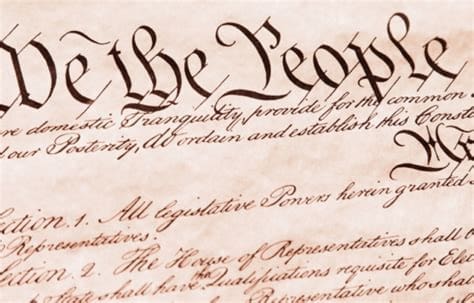
The National Archives is the primary source for the foundational documents of the United States government. Its digital collections include the Declaration of Independence, the Constitution, the Bill of Rights, and many other historical records that shaped the development of the American political system.
The Archives also hosts the Civics for All of US initiative, which offers educational programs, online materials, and primary-source-based lessons designed to strengthen civic literacy.

Library of Congress
The Library of Congress is the largest library in the world and an invaluable resource for historical and legal research. Its digital collections include congressional records, constitutional debates, historic speeches, and educational materials that help place modern political issues in historical context.

USCIS Citizenship Resource Center
The U.S. Citizenship and Immigration Services website includes one of the most accessible introductions to American civics available online. The naturalization study materials provide clear explanations of U.S. history, government structure, and constitutional principles.
Although designed for individuals seeking citizenship, these materials are an excellent starting point for anyone wanting a straightforward introduction to American government.

USAGov Voting and Elections Guide
USAGov provides practical guidance on participating in American elections. The site includes information about voter registration, election rules, absentee voting, and how to research candidates and ballot measures.
Constitutional and Legal Learning Resources
Cornell Legal Information Institute
The Legal Information Institute at Cornell Law School provides plain-language explanations of legal concepts and access to important legal texts. It is particularly useful for readers who want to move from basic civic knowledge into a more structured understanding of constitutional law.
Oyez Project
The Oyez Project provides multimedia archives of the Supreme Court of the United States. Visitors can read summaries of major cases, explore constitutional questions, and listen to audio recordings of oral arguments before the Court.
SCOTUSblog
SCOTUSblog is one of the most respected sources for tracking Supreme Court activity. It provides case summaries, analysis of court decisions, and updates on pending cases before the Court.
Nonpartisan Civic Education Organizations

National Constitution Center
The National Constitution Center offers one of the best interactive learning tools available for studying the Constitution. Its Interactive Constitution pairs the constitutional text with commentary from scholars across the legal spectrum.

Annenberg Classroom
Annenberg Classroom provides extensive civic education materials including videos, guides to constitutional principles, and educational resources focused on the Supreme Court and the structure of American government.

iCivics
iCivics is widely used in classrooms and offers interactive civic education tools designed to teach the mechanics of government. Simulations and educational games help users understand how government institutions function in practice.
Bill of Rights Institute
The Bill of Rights Institute provides educational resources focused on constitutional principles, American political philosophy, and the ideas that shaped the founding of the United States.
Election and Civic Participation Tools
VOTE411
VOTE411 helps citizens prepare for elections by providing candidate information, voter registration tools, and personalized ballot previews.
Ballotpedia
Ballotpedia functions as an encyclopedia of American politics and elections. It provides detailed information on ballot initiatives, state legislation, and election procedures.
Vote Smart
Vote Smart provides factual information about candidates, including voting records, biographies, and issue positions.
Understanding Political Money and Campaign Finance
Federal Election Commission
The Federal Election Commission oversees federal campaign finance law and provides public information about how political campaigns are funded.
FollowTheMoney
FollowTheMoney tracks campaign contributions and political spending across all 50 states. It allows citizens to examine financial influence in state and local elections.

A Suggested Path for Civic Learning
If you are just beginning your study of American civics, a logical path might look like this:
Start with the founding documents at the National Archives. Read the Declaration of Independence, the Constitution, and the Bill of Rights.
Next, build foundational knowledge using USCIS civics materials or educational sites such as Annenberg Classroom or iCivics.
Then begin exploring constitutional law through the Cornell Legal Information Institute and Supreme Court case archives like Oyez.
Finally, apply that knowledge to real civic participation by using tools such as VOTE411, Ballotpedia, and USAGov’s election resources.
Civic education becomes most meaningful when knowledge leads to participation.