
Constitutional Analysis • Civic Education • Investigative Research
Tag: Law
-

By Malcolm Lee Kitchen III | MK3 Law Group(c) 2026 – All rights reserved. The Constitutional Foundation of the Right to Travel The right to travel freely is not a privilege granted by government. It is a fundamental right that predates the Constitution itself, recognized across centuries of American jurisprudence and embedded in the legal…
-
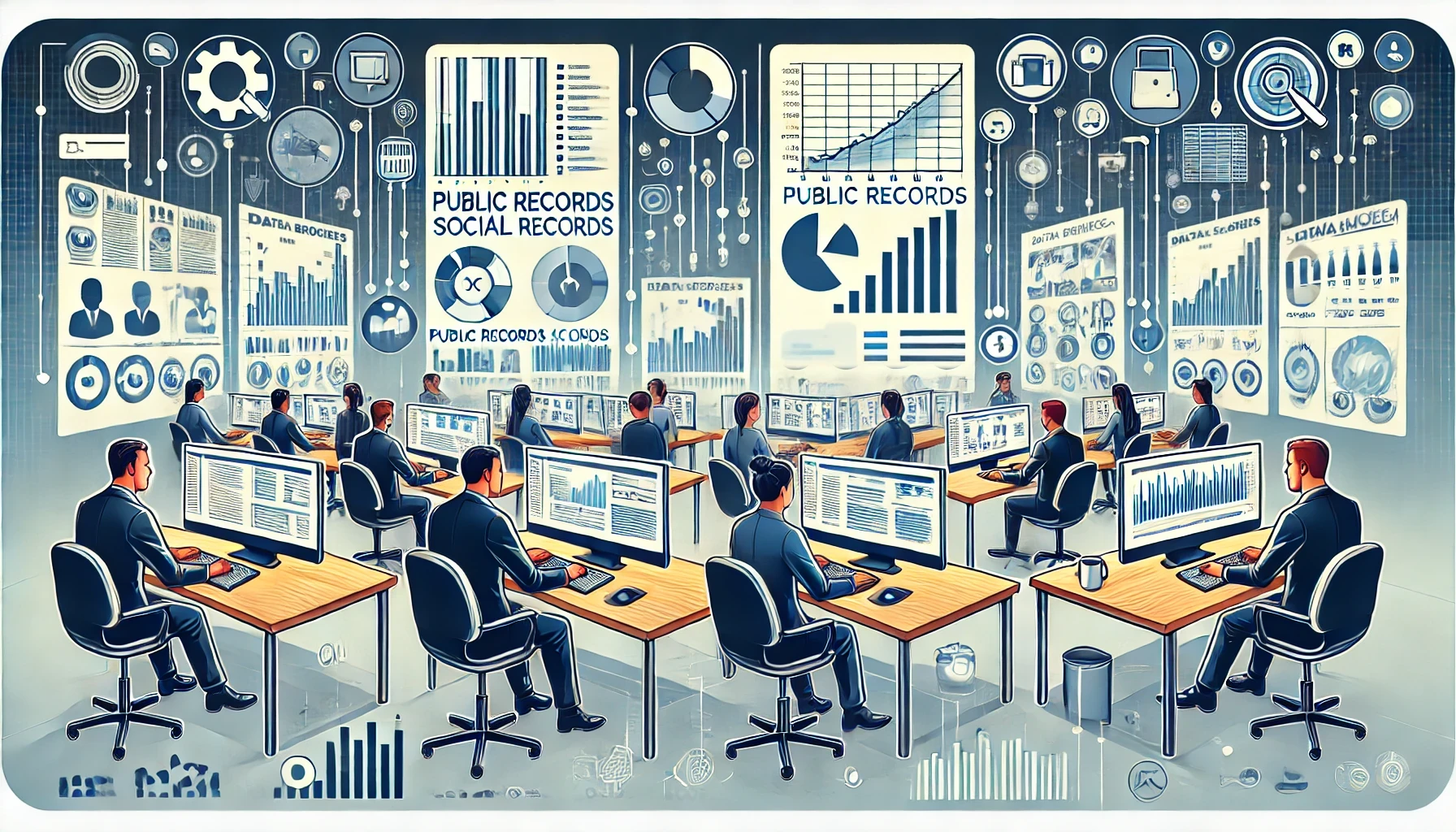
The data broker industry does not operate as a collection of rogue actors. It operates as infrastructure. Brokers function as the logistical backbone connecting mass behavioral data collection to the commercial and governmental entities that consume it. Their products are not incidental byproducts of the digital economy; they are the primary output of a market…
-

The Ubiquity of the Digital Fingerprint By Malcolm Lee Kitchen III | MK3 Law Group(c) 2026 – All rights reserved. The 2021 Government Accountability Office report on federal use of non-federal facial recognition technology documents the operational mechanics of a surveillance apparatus that has grown well beyond public awareness. The report is not speculative. It…
-

Palantir does not sell software in the conventional sense. It sells an operating environment, a dynamic, interactive platform through which intelligence analysts can visualize relationships that no single database could previously surface. The company’s platforms ingest massive, heterogeneous datasets simultaneously: DMV records, utility billing histories, financial transactions, location telemetry, arrest logs, social media activity, and…
-
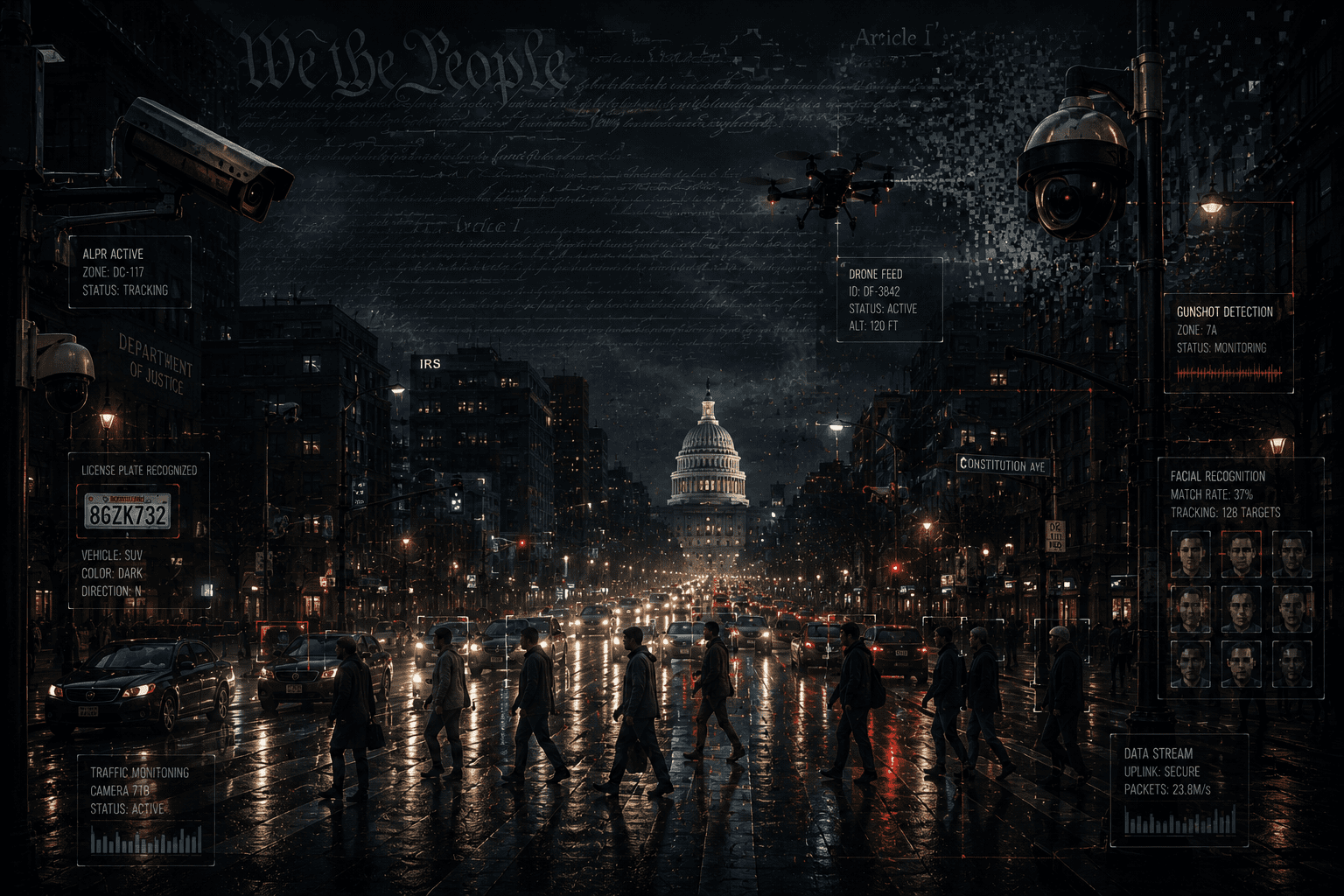
While public attention cycles through trade disputes, cultural flashpoints, and personality conflicts, a parallel architecture is being assembled. Digital identity systems. Centralized financial controls. Data infrastructure. Injection programs tied to surveillance networks. Each piece connects to the others. Together, they form something with no precedent in American history. You need to understand what each component…
-
By Malcolm Lee Kitchen III | MK3 Law Group(c) 2026 – All rights reserved. Executive Summary Bio-digital surveillance infrastructure constitutes the layered system through which biological data, digital identity systems, sensor networks, and regulatory controls are combined to identify, authenticate, monitor, and manage individuals and populations. In operational terms, this is neither a single machine…
-
By Malcolm Lee Kitchen III | MK3 Law Group(c) 2026 – All rights reserved. Abstract Genetic modification technologies have undergone a fundamental transformation, advancing from relatively imprecise methods of gene transfer to a new generation of highly precise editing systems capable of altering DNA at specific genomic sites, rewriting short nucleotide sequences, regulating gene expression,…
-
The government refuses to secure your data By Malcolm Lee Kitchen III | MK3 Law Group(c) 2026 – All rights reserved. The Only Transparent Window Into a Closed Industry California’s mandatory data broker registry is the clearest public signal available that some brokers are actively selling or sharing American personal data to actors outside the…
-

Most people treat the Constitution as a government document. They think of it as something Washington produced, something courts interpret, something officials swear to uphold. That framing is understandable. It is also wrong. The Constitution is not a product of government. Government is a product of the Constitution. And the Constitution itself is a product…
-

Understanding case law is essential to understanding how law actually works. A statute may state something in plain terms, but cases fill in what those terms mean when they collide with real-world facts. Case law answers the questions that statutes leave open, resolves conflicts between competing rules, and sometimes creates rights and obligations that no…
-

Understanding American government is not about memorizing dates, clauses, or the names attached to them. It is about recognizing structure. How power is created. How it is constrained. Where the individual stands in relation to it. Most people encounter the system in fragments. A right here. A court ruling there. A clause pulled out of…