
Constitutional Analysis • Civic Education • Investigative Research
Tag: Education
-
By Malcolm Lee Kitchen III | MK3 Law Group(c) 2026 – All rights reserved. The phrase “Supreme Court is the law of the land” gets repeated so often it sounds like constitutional fact. It’s not. Article VI of the Constitution states plainly: “This Constitution, and the Laws of the United States which shall be made…
-
Information, Perception, and the Architecture of Civic Reality By Malcolm Lee Kitchen III | MK3 Law Group(c) 2026 – All rights reserved. There is a moment, quiet and almost invisible, when information stops being something you consume and starts being something that shapes you. Most people never notice that moment. They believe they are forming…
-
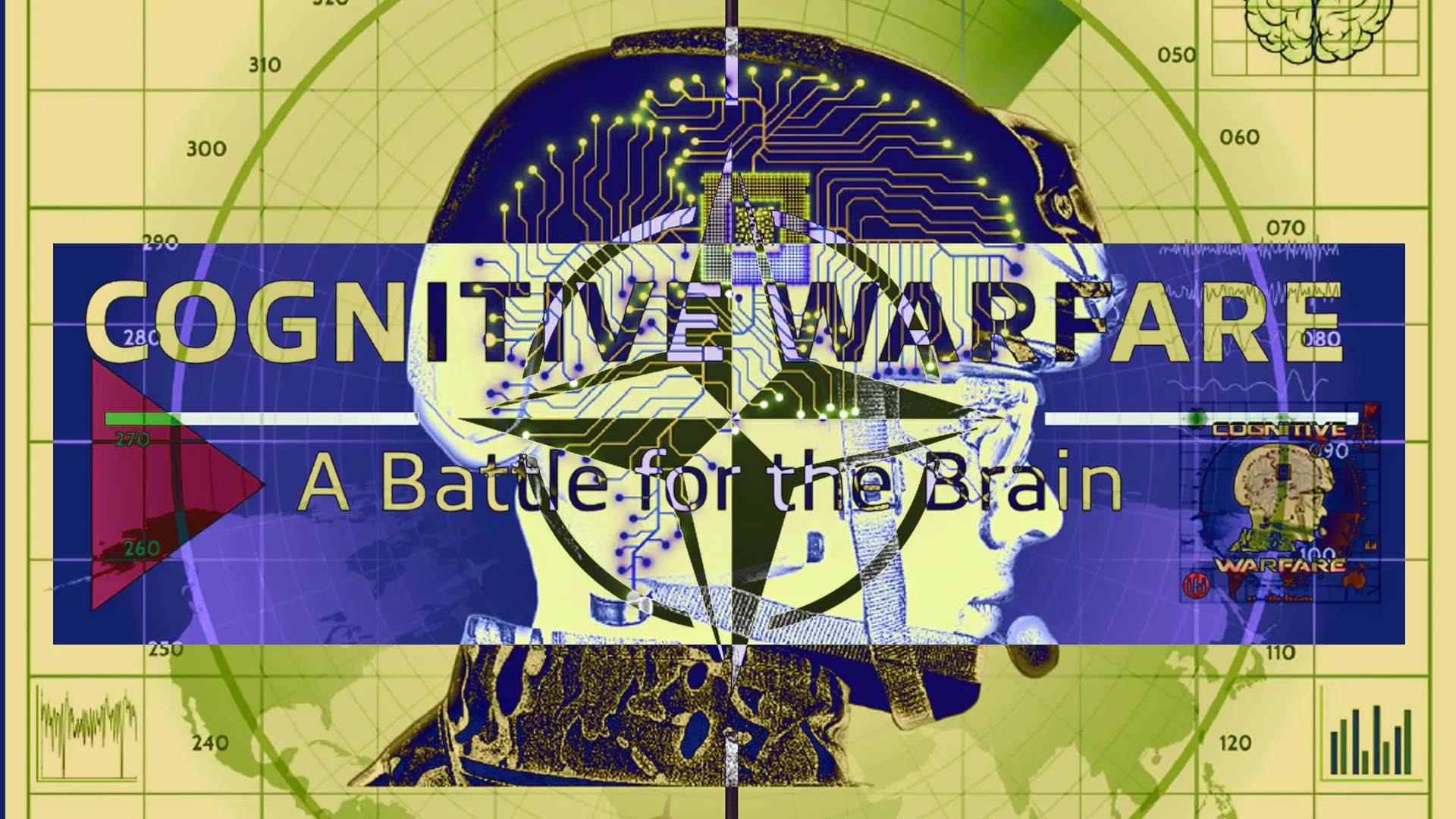
By Malcolm Lee Kitchen III | MK3 Law Group(c) 2026 – All rights reserved. There is a quiet war happening upstream of every opinion you hold. It is not fought with arguments. By the time arguments show up, the outcome is already mostly decided. The real battle happens earlier, at the level of perception. What…
-
How News Gets Made Before It Reaches You Most people think information is discovered. It isn’t. It’s manufactured. That doesn’t mean facts aren’t real. Events happen, numbers exist, people say things on record. But the version of reality that reaches the public is the result of a layered production process. By the time you read…
-
Understanding the national debt is a critical part of government structure learning. Our civic education platform offers deep constitutional law insights, exploring how fiscal policy impacts the nation’s security and future. Engaging in these topics is essential for comprehensive citizenship rights education. We facilitate vital law and liberty discussions, examining the warnings from the nation’s…
-

Discover the core of American freedom with our civic education platform, offering deep constitutional law insights and clear explanations for government structure learning. A constitution is more than a document; it is the ultimate expression of a nation’s commitment to liberty, establishing a framework that limits government power and protects individual freedoms. This platform serves…
-

Data centers are the physical foundation of modern surveillance. They provide the storage capacity and computing power required to convert human activity, movement, financial transactions, private communications, biometric records, into machine-readable data at a scale the state can actually use. Without this infrastructure, the current scope of government oversight would be technically impossible to sustain.…
-

Administrative rules, also called regulations, are legally binding requirements issued by government agencies. They are not statutes. Legislatures do not write them. They are not court decisions. Judges do not produce them. Agencies produce them, and agencies operate within the executive branch of government, not the legislative or judicial branch.
-
By Malcolm Lee Kitchen III | MK3 Law Group(c) 2026 – All rights reserved. You Are Not Being Watched. You Are Being Modeled. There was a time when surveillance meant a guy in a trench coat parked across the street with a thermos and bad coffee. That world is gone. Today, surveillance is not a…
-
By Malcolm Lee Kitchen III | Margin Of The Law The Illusion of Sovereignty For generations, Americans have operated under a specific assumption: that they govern themselves. The republic is real, the consent of the governed means something, and the institutions built to protect individual rights actually do that. This assumption is not cynicism bait.…
-
Understanding Government and Citizenship as the First Step Toward Informed Participation Republics function best when citizens understand the institutions that govern them and the principles that guide those institutions. Knowledge of American civics provides individuals with the tools necessary to interpret political events, evaluate public policy, and participate responsibly in civic life. Civic education is…
-

Understanding the Legal Foundations That Define The American Republic By Malcolm Lee Kitchen III | MK3 Law Group(c) 2026 – All rights reserved. The United States Constitution stands as the central legal framework of American government. Written in 1787 and ratified shortly thereafter, the Constitution established a system designed to govern a large and diverse…
-
Understanding the Framework and Functions of Federal, State, and Local Governments The structure of government in the United States reflects a carefully designed balance of power. Rather than concentrating authority in a single institution, the American system distributes governing power across multiple levels and branches. This design was intentional. The architects of the Constitution sought…
-
The Rights, Responsibilities, and Roles That Define Active Civic Participation Citizenship is often spoken of in simple terms. A person is either a citizen or they are not. Yet the meaning of citizenship in a democratic republic is far deeper than a legal status printed on a passport or birth certificate. Citizenship represents a relationship…
-
The founders on sovereignty. “I say supreme absolute power is originally and ultimately in the people.” In Rights of the British Colonists Asserted and Proved, James Otis Jr. was describing “sovereignty.” Sovereignty simply means final and absolute authority. Therefore, those who have it are not subject to any outside authority on Earth. This isn’t academic…
-
Think of the United States government as a massive employment structure. The People are the employers. The government—every branch, agency, and official—is the workforce. That’s not a metaphor for effect. That’s the design.
-
At its core, malum in se represents actions inherently wrong; crimes that violate the fundamental moral fabric of human civilization. Rooted in natural law traditions championed by philosophers like Cicero and Aquinas, these are acts that transgress universal moral principles. They don’t require a statute to be evil. They simply are. Classic examples include: The…
-
Our government… teaches the whole people by its example. If the government becomes the lawbreaker, it breeds contempt for law; it invites every man to become a law unto himself; it invites anarchy. Louis D. Brandeis Navigating the complexities of governance requires more than surface-level understanding. A robust civic education platform is essential for effective…
-

By Malcolm Lee Kitchen III | Margin Of The Law Most civics classes deliberately obscure this. The Constitution does not grant you rights. It never did. It restrains government from touching the rights you already possess. The difference is not semantic. It is the entire structural logic of the American system. And somewhere between 1787…
-
This guide explains how the three key players; prosecutors, defense attorneys, and judges, actually read statutory text. Understanding their methods reveals how “plain meaning” often becomes a cover story for strategic choices about who bears the cost of legal ambiguity.