
Constitutional Analysis • Civic Education • Investigative Research
Tag: Political
-
By Malcolm Lee Kitchen III | MK3 Law Group(c) 2026 – All rights reserved. The phrase “Supreme Court is the law of the land” gets repeated so often it sounds like constitutional fact. It’s not. Article VI of the Constitution states plainly: “This Constitution, and the Laws of the United States which shall be made…
-
By Malcolm Lee Kitchen III | MK3 Law Group(c) 2026 – All rights reserved. A declassified federal watchdog report reveals that the National Security Agency violated surveillance rules years after Edward Snowden’s 2013 disclosures, raising serious questions about the agency’s ability to protect Americans’ privacy rights under Section 702 of the Foreign Intelligence Surveillance Act.…
-
Part 1 and Part 2 Combined By Malcolm Lee Kitchen III | MK3 Law Group(c) 2026 – All rights reserved. Introduction The United States did not build a surveillance state. It built a surveillance economy. That distinction matters. A state-run surveillance apparatus can, at least in theory, be dismantled through legislation, litigation, or political will.…
-
By Malcolm Lee Kitchen III | MK3 Law Group(c) 2026 – All rights reserved. There was a time when distribution meant trucks, printing presses, broadcast towers, and physical scarcity. Information moved slowly because moving it required infrastructure. Gatekeepers were not optional middlemen. They were the system itself. Reaching millions of people required capital, licenses, and…
-
Understanding the national debt is a critical part of government structure learning. Our civic education platform offers deep constitutional law insights, exploring how fiscal policy impacts the nation’s security and future. Engaging in these topics is essential for comprehensive citizenship rights education. We facilitate vital law and liberty discussions, examining the warnings from the nation’s…
-

Data centers are the physical foundation of modern surveillance. They provide the storage capacity and computing power required to convert human activity, movement, financial transactions, private communications, biometric records, into machine-readable data at a scale the state can actually use. Without this infrastructure, the current scope of government oversight would be technically impossible to sustain.…
-
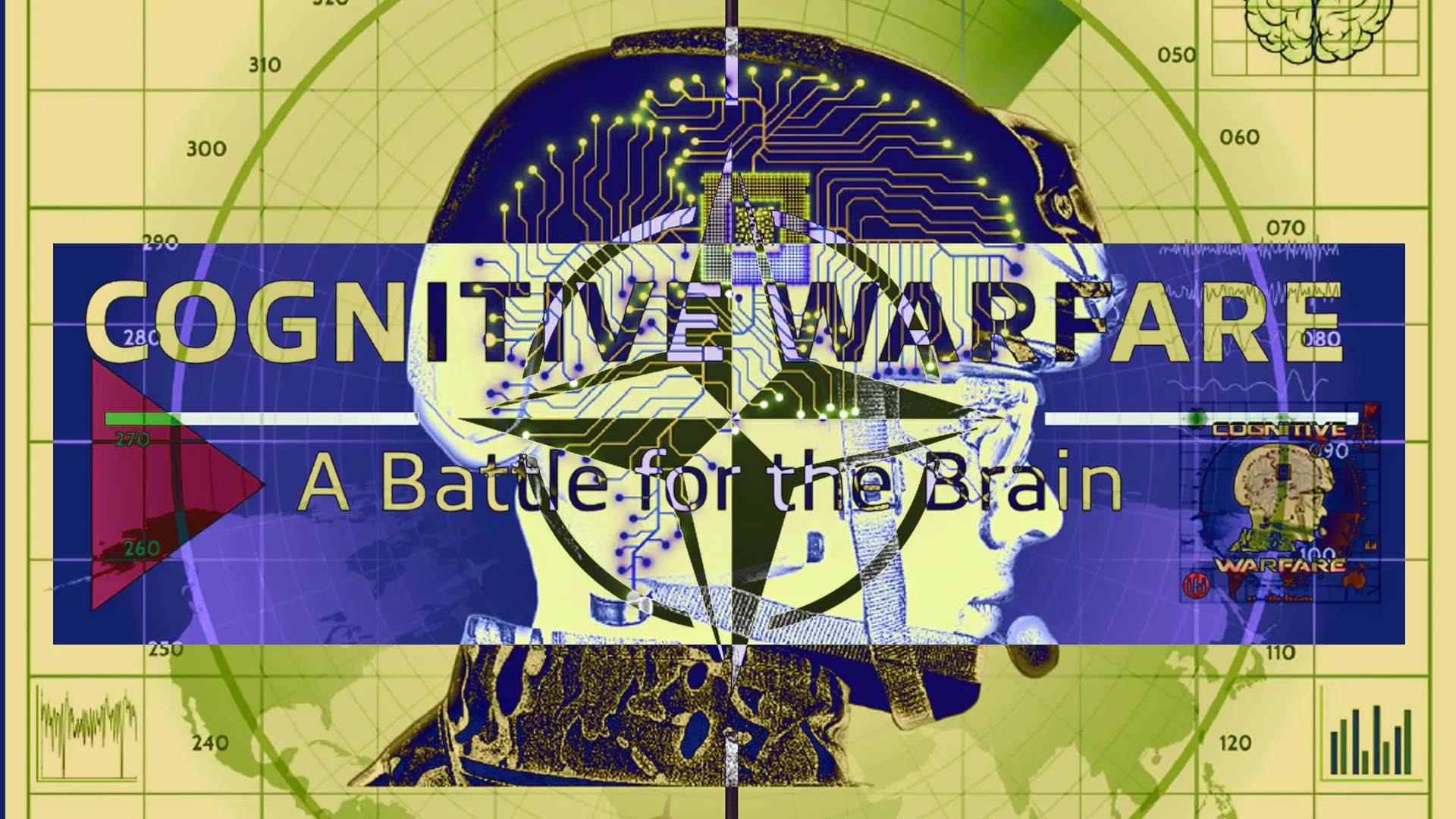
By Malcolm Lee Kitchen III | Margin Of The Law The Illusion of Sovereignty For generations, Americans have operated under a specific assumption: that they govern themselves. The republic is real, the consent of the governed means something, and the institutions built to protect individual rights actually do that. This assumption is not cynicism bait.…
-
American democracy is not defined solely by its institutions or constitutional structure. At its core, it is animated by the political behavior of the people who participate in it. Citizens express preferences, evaluate leaders, vote in elections, engage in public debate, and react to government policy. These actions—individually modest but collectively powerful—form the practical engine…
-
The Surveillance State Has Already Won—Unless We Act Now The surveillance state operates nothing like the dystopian fantasies sold to us in movies and books. There are no midnight raids, no torture chambers, no uniformed agents demanding identification. Instead, there are devices we carry willingly, platforms we update eagerly, and systems we embrace as liberation…
-
The founders on sovereignty. “I say supreme absolute power is originally and ultimately in the people.” In Rights of the British Colonists Asserted and Proved, James Otis Jr. was describing “sovereignty.” Sovereignty simply means final and absolute authority. Therefore, those who have it are not subject to any outside authority on Earth. This isn’t academic…
-
Our government… teaches the whole people by its example. If the government becomes the lawbreaker, it breeds contempt for law; it invites every man to become a law unto himself; it invites anarchy. Louis D. Brandeis Navigating the complexities of governance requires more than surface-level understanding. A robust civic education platform is essential for effective…
-
The 14th Amendment to the United States Constitution, ratified in 1868, is often hailed as a cornerstone of civil rights and equal protection. However, a closer examination of its history, ratification process, and subsequent interpretation reveals a more complex and contentious narrative.
-

Tyranny gets painted as cruel oppression and it often becomes that. But the original definition cuts deeper: rule by those who lack legitimacy. Doesn’t matter if they mean well or badly. History shows benign tyrannies don’t stay benign. They feel insecure. They tighten control. What starts as helpful protection becomes suffocating control.
-

When agencies ignore constitutional boundaries, courts must restore them. The alternative is government by bureaucratic decree…
-

By Malcolm Lee Kitchen III | MK3 Law Group(c) 2026 – All rights reserved Modern law enforcement operates within a legal and philosophical paradox: it routinely violates the very laws it is sworn to uphold, often with explicit legal protection. This contradiction is not an anomaly it is institutionalized. From entrapment tactics and undercover operations…
-
By Malcolm Lee Kitchen III | MK3 Law Group(c) 2026 – All rights reserved. Our government… teaches the whole people by its example. If the government becomes the lawbreaker, it breeds contempt for law; it invites every man to become a law unto himself; it invites anarchy. Louis D. Brandeis Political discourse in America typically…
-

By MK3 Law Group|MK3 Blog Government overreach rarely begins with tanks in the streets. It begins with paperwork. Policy memorandums. Emergency declarations. Administrative directives. Temporary programs. Classified interpretations. Quiet expansions of authority carried out behind institutional walls most citizens never see. That is the pattern. And once you see it, you cannot unsee it. Rights…